3 Days in Istanbul: Sultanahmet, Beyoğlu, and Bosphorus Itinerary

How many days do you need in Istanbul?
Three days is enough to see Istanbul properly without rushing. You get the old city, the modern side, and a day on the water, which covers the three things people come here for. The trick is to do one zone per day instead of crossing the city twice a day and losing hours to traffic. Here's the route that works.
We organize this by neighborhood, not by sight, because the sights cluster. Sultanahmet holds almost all the headline monuments within a fifteen-minute walk of each other. Beyoğlu is where the city's cafe and meyhane (traditional tavern serving meze and rakı) life happens. The Bosphorus is its own day, best done by ferry. Pick a hotel in Sultanahmet or Beyoğlu and you'll be walking distance from two of the three days.
Day one: Sultanahmet and the old city
Day one stays entirely in Sultanahmet, on foot. The main monuments sit around two squares within a ten-minute walk of each other, so you can see Hagia Sophia, the Blue Mosque, the Basilica Cistern, and Topkapı Palace in a single day without transit. Start at 9:00 when the ticket offices open and you'll beat most of the tour groups.
Start at Ayasofya-i Kebir Cami-i Şerifi (Hagia Sophia) when it opens. It's a working mosque now, so entry is free, but it closes for midday prayer around 12:30 on Fridays. Cross Sultanahmet Meydanı to the Sultanahmet Camii (the Blue Mosque), also free, knees and shoulders covered, headscarf for women handed out at the door. The Yerebatan Sarnıcı (Basilica Cistern) is a five-minute walk and runs around 600 lira in 2026, so go early if the queue is short or come back near closing.
Ayasofya-i Kebir Cami-i Şerifi→After lunch, give the afternoon to Topkapı Sarayı Müzesi. It's big, and the Harem section costs extra but is worth it. If palace fatigue sets in, skip the lesser rooms and walk through Gülhane Parkı instead, which sits right below the palace walls and is free. For dinner, Tarihi Sultanahmet Köftecisi Selim Usta does köfte (Turkish meatballs) that have anchored this corner since 1920.
Tarihi Sultanahmet Köftecisi Selim Usta→Topkapı Sarayı Müzesi→Day two: Beyoğlu and the European side
Day two crosses the Golden Horn to Beyoğlu, the city's modern center. Take the T1 tram from Sultanahmet to Karaköy, walk up to Galata, then spend the afternoon along İstiklal Caddesi and the back streets. This is a walking day with cafes and meyhanes rather than monuments, so there's no ticket queue and no fixed schedule. If you want to pair Beyoğlu with the old city in a single longer day, a dedicated itinerary for both neighborhoods covers the ferry route and time management.
Start at Galata Kulesi in the morning. The interior queue is long and the ticket runs around 650 lira, so we'd skip going up and take coffee at one of the rooftop cafes nearby for a similar view at a fraction of the price. Walk up to İstiklal Cd. and follow it toward Taksim Meydanı, ducking into Çiçek Pasajı along the way. For art, Pera Müzesi and Salt Beyoğlu are both worth an hour.
Galata Kulesi→End the day in a meyhane. The lanes off İstiklal around Asmalı Cavit fill with meze tables and rakı (anise spirit, served with water and ice) by 20:00. Order cold meze first, hot meze second, and don't rush it. This is the night to eat slowly.
Asmalı Cavit→Day three: the Bosphorus villages
Day three belongs to the water. Take a public ferry up the Bosphorus instead of a tour boat, stop at one or two villages, and you'll see the same shoreline for a few lira. Ferries from Eminönü and Beşiktaş run regularly through the day, and the İstanbulkart works on all of them. Pick villages on one side so you're not crossing back and forth.
Arnavutköy and Bebek sit next to each other on the European shore, joined by the Sarıyer-Bebek Coast Walkway, an easy waterside walk of about twenty-five minutes between them. Arnavutköy has the wooden Ottoman houses and fish restaurants like Sur Balık Restaurant Arnavutköy; Bebek has the cafe crowd. For the Asian side instead, the ferry to Kız Kulesi views and Kuzguncuk Evleri gives you a quieter half-day among painted timber houses. For a deeper dive into Istanbul's architectural heritage, Ottoman, Byzantine, and modern landmarks are woven throughout the city's neighborhoods.
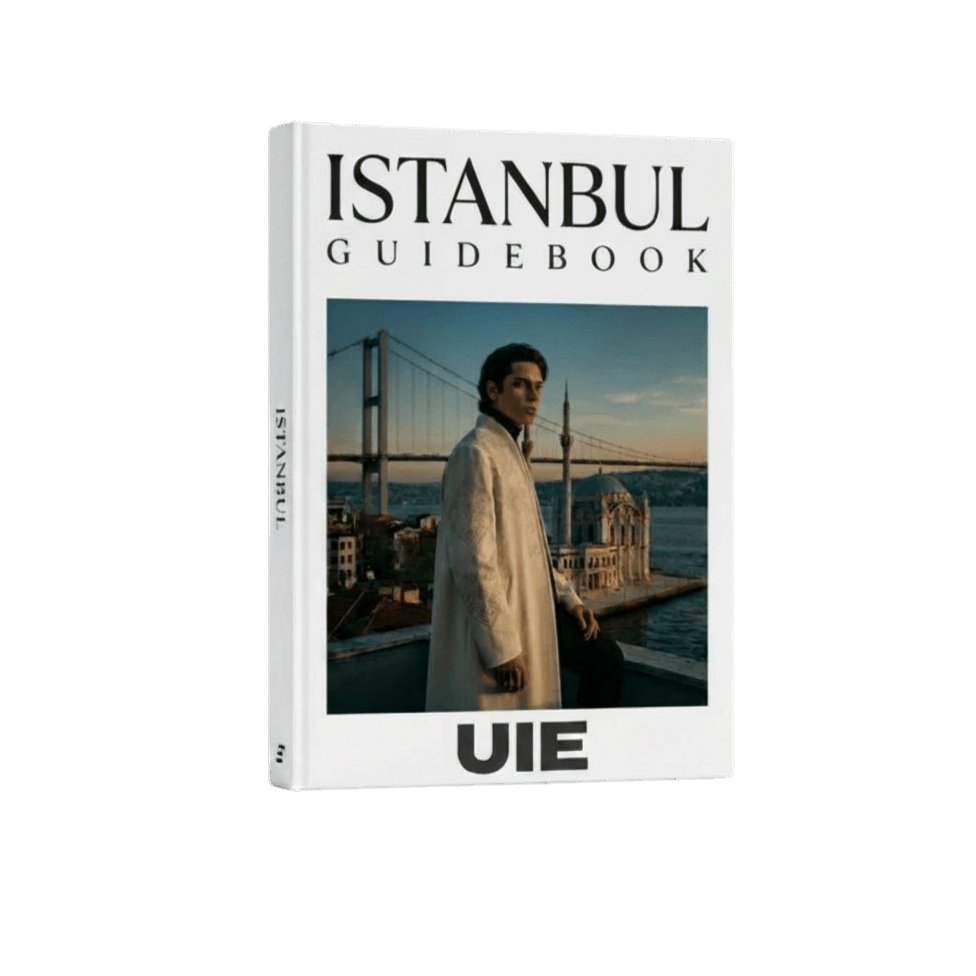
Sur Balık Restaurant Arnavutköy→Arnavutköy→If you only have three days, this is the order that wastes the least time. Old city, modern side, water, each in its own zone, no double-crossing the Bosphorus in a taxi. If you want the same routing for a longer stay, our 60-page Istanbul guidebook lays out each neighborhood day by day.
Explore Istanbul on your own.
Frequently asked questions
Is 3 days enough for Istanbul?
Three days covers the old city, the modern European side, and a day on the Bosphorus without rushing. You won't see everything, but you'll see the main monuments, walk the central neighborhoods, and spend a day on the water. Organizing each day around one zone is what makes three days work.
Should I stay in Beyoğlu or Sultanahmet?
Sultanahmet puts you walking distance from Hagia Sophia, the Blue Mosque, and Topkapı Palace, which fills day one. Beyoğlu puts you in the cafe and meyhane area that fills day two. Either works, since the T1 tram connects the two zones in about fifteen minutes.
How do you get to the Bosphorus villages from central Istanbul?
Take a public ferry from Eminönü or Beşiktaş rather than a tour boat. Ferries run regularly through the day and cost a few lira with an İstanbulkart. Arnavutköy and Bebek sit next to each other on the European shore, joined by a waterside walk of about twenty-five minutes.
Can you see Hagia Sophia, the Blue Mosque, and Topkapı in one day?
Yes. All three sit within a ten-minute walk of each other in Sultanahmet. Start at Hagia Sophia when the ticket offices open at 9:00, cross Sultanahmet Square to the Blue Mosque, then give the afternoon to Topkapı Palace. Hagia Sophia and the Blue Mosque are free to enter.
More in · Ideas


