Top 10 Things to Know Before Visiting Istanbul

Contents13 sections
Most guides for Istanbul tell you what to see. This one covers what to sort out first, so you spend your days eating and looking at things instead of arguing with a taxi driver or standing at a mosque door with bare knees. Ten things, each one a real friction point, each linked to the full guide if you want the detail.
What are the best things to do in Istanbul for first-time visitors?
For a first visit, the core is three neighborhoods and one boat ride: Sultanahmet for Hagia Sophia and the Blue Mosque, Beyoğlu for İstiklal and the rooftop bars, Kadıköy on the Asian side for the food, and one public ferry across the Bosphorus. That covers the sights, the atmosphere, and the water in about three days. Everything below is the practical layer under those days, the ten things that trip people up before they've even bought a ticket.
Which Istanbul attractions are worth the high entry price?
The honest split in 2026: Hagia Sophia charges foreign visitors a steep entry fee (around 25 euros, set by the culture ministry), and it's still worth it once for the scale of the dome and the upper gallery mosaics. Topkapı Sarayı is worth it if Ottoman history interests you, skippable if it doesn't, especially with the Harem as a separate ticket. Süleymaniye Camii is free, quieter than the Blue Mosque, and the better mosque visit of the two. When budgets are tight, pick Hagia Sophia plus a free mosque and put the saved money into food and ferries.
What should I know before visiting Istanbul?
The short list before you land: your contactless bank card works on all public transport, so you can skip the transit-card queue; carry some cash because small shops and taxis prefer it; mosques need covered knees and shoulders for everyone and hair covered for women; tap water is safe to shower in but locals drink bottled; and taxis need an app to stay honest. Sort those five and the rest of the trip is just deciding where to eat. The sections below break each one down.
Getting around
Istanbul's public transport runs on ferries, trams, metros, buses, and funiculars, and in 2026 you can tap your own contactless bank card at the gate without buying a separate İstanbulkart. A single ride costs roughly 35 to 50 lira. The metro and tram are faster than a taxi across the center during rush hour (8 to 10 in the morning, 5 to 8 in the evening), when a ten-minute cab ride can stretch to forty-five.
Download Moovit before you arrive; it maps routes and shows live departure times so you're not guessing at an iskele (ferry pier).
MoovitPublic transport routing app with live times for IstanbulApp Store→Google Play→For where to actually base yourself, Beyoğlu around Karaköy and Taksim keeps you close to nightlife and transport, while Beşiktaş and Kadıköy feel more like real neighborhoods. We laid out the tradeoffs in our breakdown of where to stay in Istanbul.
Money and cards
Turkey runs on the Turkish lira, and while card payments (including Apple Pay and Google Pay) work in most restaurants, malls, and larger shops, cash is still king at street stalls, taxis, corner shops, and public toilets. Some small vendors even knock a little off the price for cash. Carry a few hundred lira in small notes and you'll never be stuck.
For exchanging money, skip the airport counters, which give poor rates, and change what you need at the exchange offices in the city center, where rates near the Grand Bazaar are usually competitive. For ATMs, use machines from major banks like Ziraat, İş Bankası, Garanti, or Yapı Kredi rather than the standalone machines in tourist areas, which layer on fees.
The full rundown on notes, ATMs, and typical costs sits in our guide to handling money in Istanbul.
What to wear
Istanbul summers are hot, often above 30 degrees in July and August, so pack light and breathable, but bring one layer that covers knees and shoulders for mosque visits. Men need knees covered, women need shoulders, knees, and hair covered inside any working mosque. You can bring your own scarf or borrow one at the entrance, and you'll want socks since shoes come off at the door.
Outside of mosques, the city is relaxed about dress; the neighborhoods around İstiklal and Kadıköy are as casual as any European city. The one thing worth planning for is comfortable shoes, because the old-city streets around Sultanahmet are cobbled and steep in places.
We went deeper on hot-weather packing in our what-to-wear guide for an Istanbul summer.
Safety
Istanbul is a generally safe city for visitors, with serious crime rare and public areas busy and well-patrolled late into the night. The realistic risks are the same as any big city: pickpocketing in dense crowds like the Grand Bazaar or a packed tram, and overcharging in tourist-facing spots. Keep your phone and wallet in a front pocket in crowds and you've handled most of it.
Street food is safe to eat where there's high turnover and a queue, which is most of it. The one dish worth a little care is midye dolma (stuffed mussels), which should come from a busy vendor selling fast, not a cart sitting in the sun.
We covered how to eat it without worry in our guide to midye dolma.
Tipping
Tipping in Turkey is simple: if you liked the service you leave 10 to 20 percent, and if you didn't, you don't. At restaurants, check whether service is already added before you add more. For taxis, rounding up 10 to 20 lira on a short ride is normal but not required, and if the service impressed you there's no upper limit provided you can afford it.
The places where a tip really lands are the personal services: barbers, hammam attendants, hotel staff who carry bags. A barber shave in Istanbul is one of the small rituals worth trying, and a tip of 10 to 20 percent on top is the norm.
We wrote up the whole ritual in our guide to the Turkish barber experience.
Tap water
Istanbul's tap water is treated and safe for brushing teeth and showering, but almost nobody drinks it straight, and neither should you. It's heavily chlorinated and the old pipes in some buildings don't help the taste. Locals drink bottled water, which is cheap, sold everywhere, and delivered by the case to most homes.
A large bottle costs only a few lira at any corner shop, so keep one in your bag, especially in summer when the heat and the walking add up fast. Restaurants will bring bottled water when you ask for su (water); it's rarely free but it's inexpensive.
The full answer, including what's fine and what isn't, is in our tap water guide for Istanbul.
SIM cards and data
For data, an eSIM is the least hassle if your phone supports one, since you can buy and activate it before you land and skip the shop entirely. Providers like Airalo and Holafly sell Turkey plans that switch on the moment you arrive, so you're on Google Maps and Moovit from the airport.
AiraloTravel eSIM marketplace appApp Store→Google Play→HolaflyTravel eSIM app with unlimited-data plansApp Store→Google Play→If you'd rather have a physical Turkish SIM, buy it from an official carrier store rather than an airport kiosk, and bring your passport since registration is required. Wi-Fi is widely available in cafés and hotels, so a lighter data plan is usually enough.
The comparison of eSIM, physical SIM, and Wi-Fi sits in our Istanbul internet and SIM guide.
Common scams
The scams to know are few and easy to sidestep. Don't trust strangers who offer to show you historical sites or steer you into a random bar, and be wary of the taxi driver who refuses the meter and quotes a flat price four times the real fare. The old shoe-shine trick, where a brush drops in front of you, is mostly gone but the principle holds: keep walking.
Bargaining at the bazaars isn't a scam, it's expected, but only start if you're genuinely interested in buying. In touristy areas it's part of the game and worst case you get a glass of çay (Turkish black tea served in tulip glasses) and a chat.
We listed the current scams and how to shut each one down in our Istanbul scams guide.
Opening hours
Opening hours in Istanbul vary more than you'd expect, so check before you go rather than showing up to a locked door. Many state museums close one day a week, often Monday, while mosques stay open daily but close to visitors during the five daily prayer times and for longer around the Friday midday prayer. Hagia Sophia in particular gets awkward on Fridays with its midday closure.
Modern museums keep their own schedules, and some run late one evening a week, which is the quiet time to go. Always confirm on the venue's official page, since summer and winter hours differ and holidays shift things.
We use Istanbul Modern as a worked example of how to read a museum's hours and tickets in our Istanbul Modern guide. For state sites, the culture ministry's official museum portal lists current hours and prices.
The ferries
The public ferry is the best-value thing in Istanbul: a single crossing costs the same 35 to 50 lira as any transit ride and gives you the same Bosphorus view people pay 40 dollars for on a tourist cruise. Routes like Eminönü to Kadıköy or Karaköy to Üsküdar run frequently through the day, and the crossing takes 20 to 25 minutes.
The best time to ride is late afternoon, so you're on the water as the sun drops behind the old-city skyline. Buy nothing extra; tap the same card you use for the metro and grab a seat outside with a çay from the onboard vendor.
We named the best spots to catch that light, ferry included, in our Istanbul sunset guide.
Sort these ten and the rest of the trip is just deciding where to eat next.
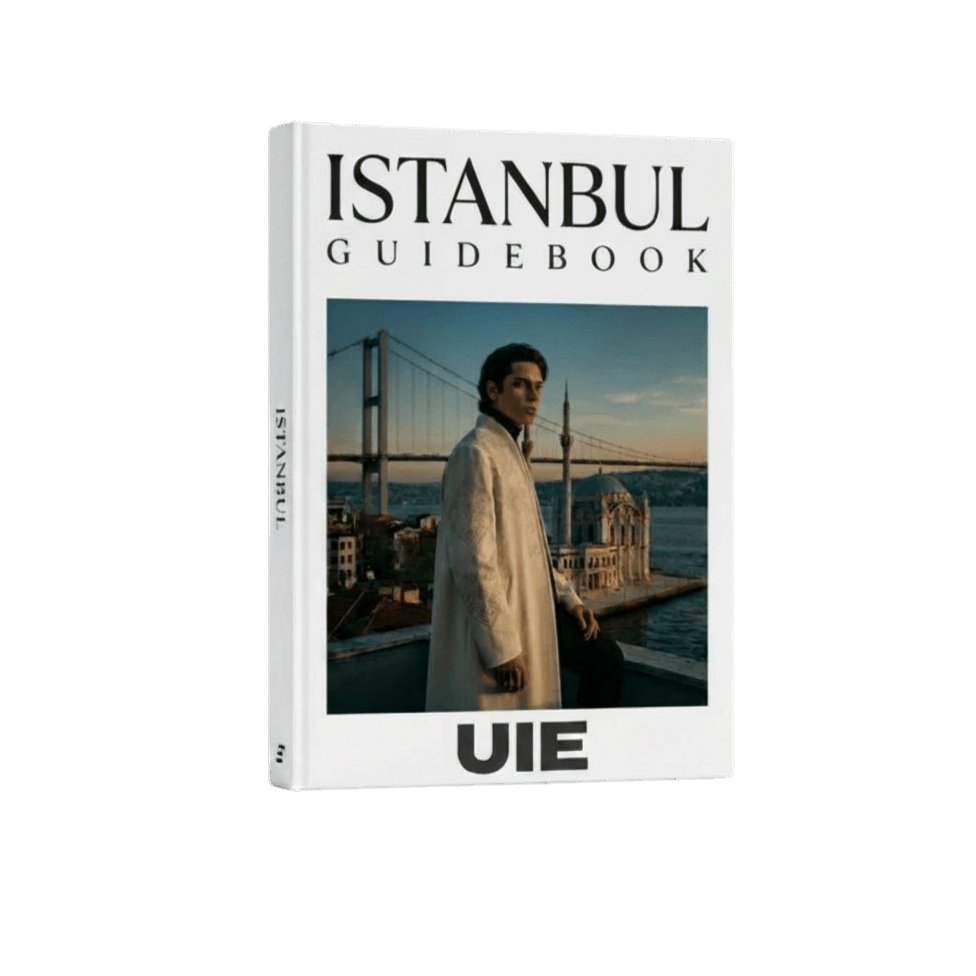
We keep a fuller written guide to Istanbul for the parts that did not fit here.
Explore Istanbul on your own.
Frequently asked questions
Do I need to buy an İstanbulkart for public transport?
No. In 2026 you can tap your own contactless bank card, including Apple Pay and Google Pay, directly at the gate on ferries, trams, metros, and buses. A single ride costs roughly 35 to 50 lira.
Is the tap water in Istanbul safe to drink?
It is treated and safe for brushing teeth and showering, but almost nobody drinks it straight because of heavy chlorination and old building pipes. Locals drink bottled water, which costs only a few lira per large bottle at any corner shop.
What is the dress code for visiting a mosque in Istanbul?
Everyone needs knees and shoulders covered, and women need to cover their hair as well. You can bring your own scarf or borrow one at the entrance, and shoes come off at the door, so wear socks.
Is Hagia Sophia worth the entry fee?
Yes, once. The foreign-visitor fee is around 25 euros in 2026, set by the culture ministry, and the scale of the dome plus the upper gallery mosaics justify a single visit. If your budget is tight, pair it with a free mosque like Süleymaniye rather than paying for two ticketed sites.
How do I avoid getting overcharged by taxis in Istanbul?
Use an app like BiTaksi or Uber, which show the fare upfront and assign a licensed driver. If you hail one on the street, insist on the meter and walk away if the driver quotes a flat price instead.
More in · Must Knowns


